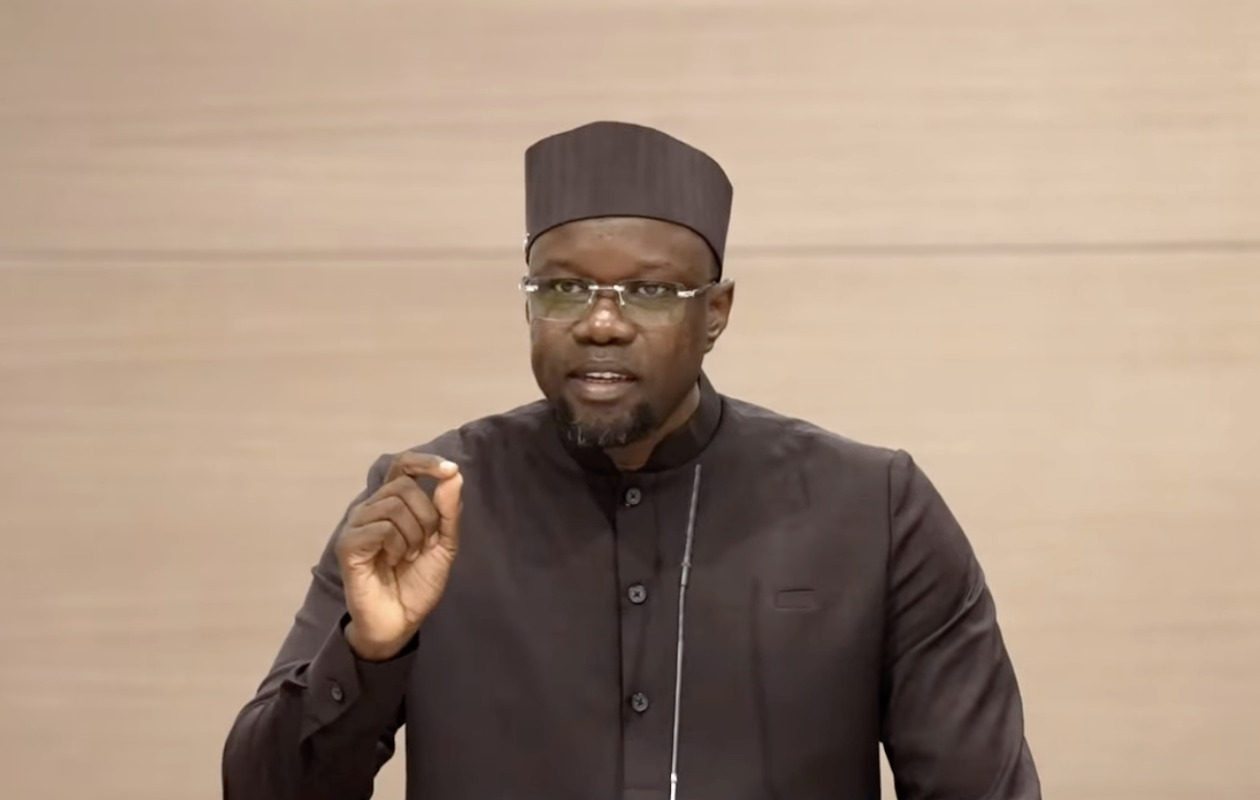

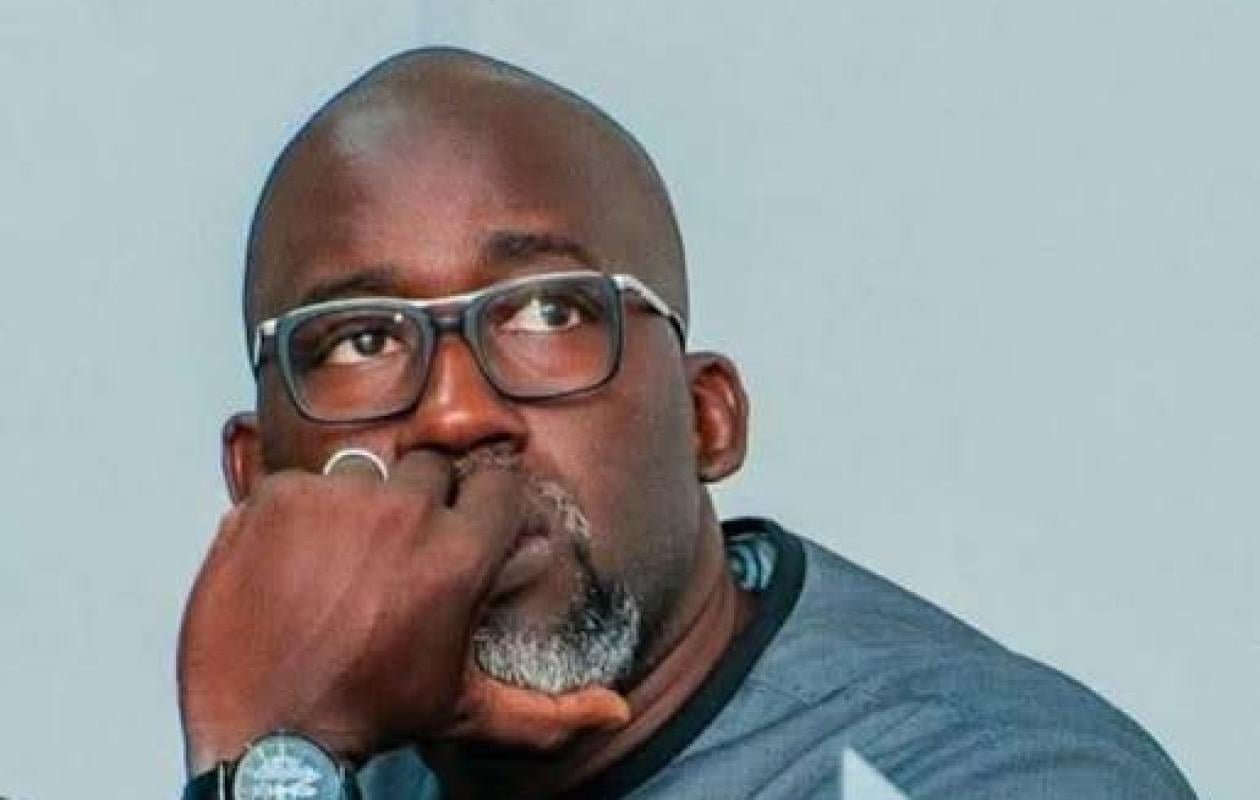
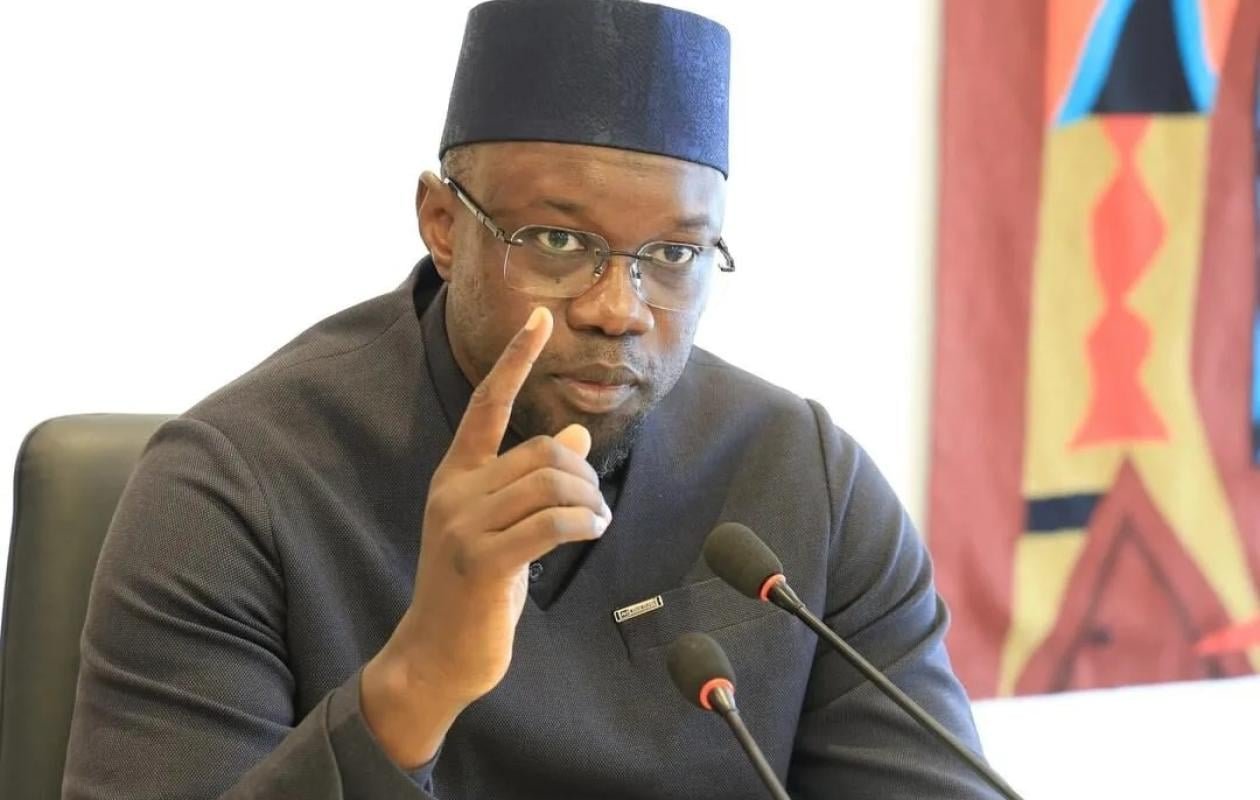
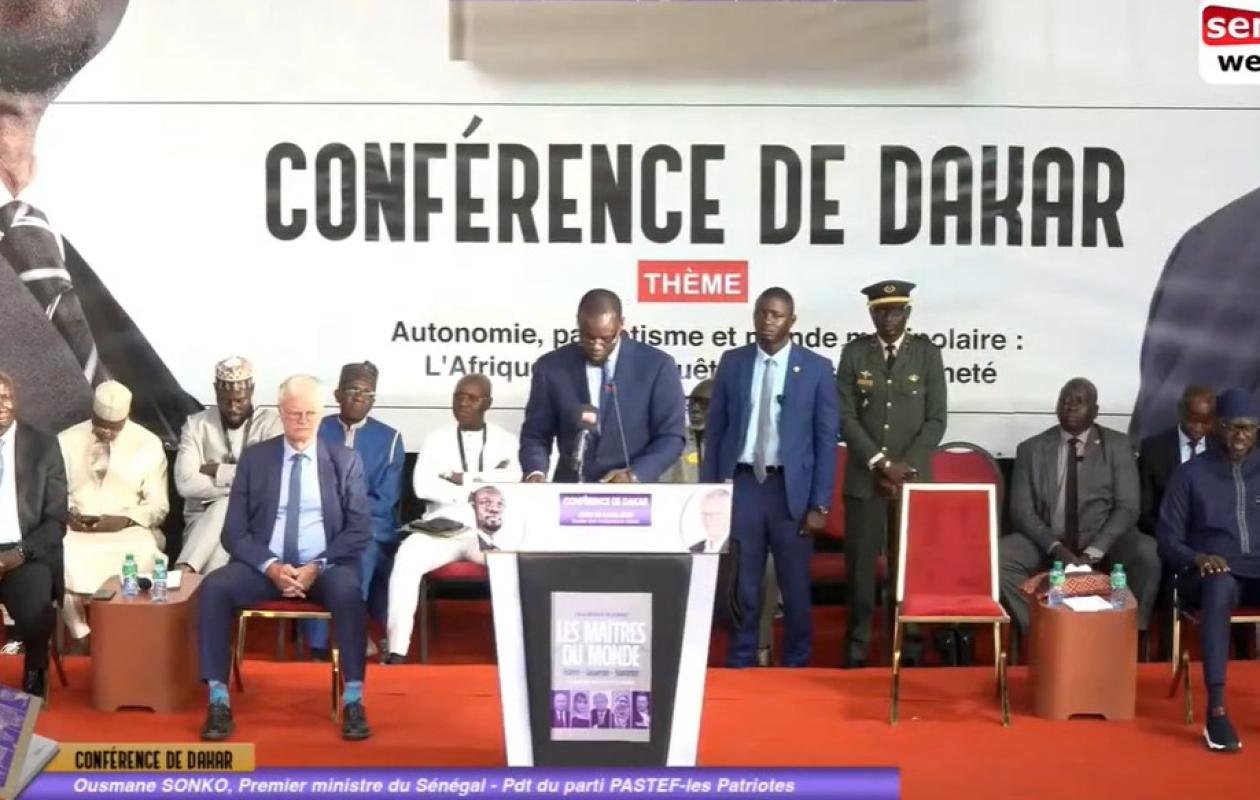
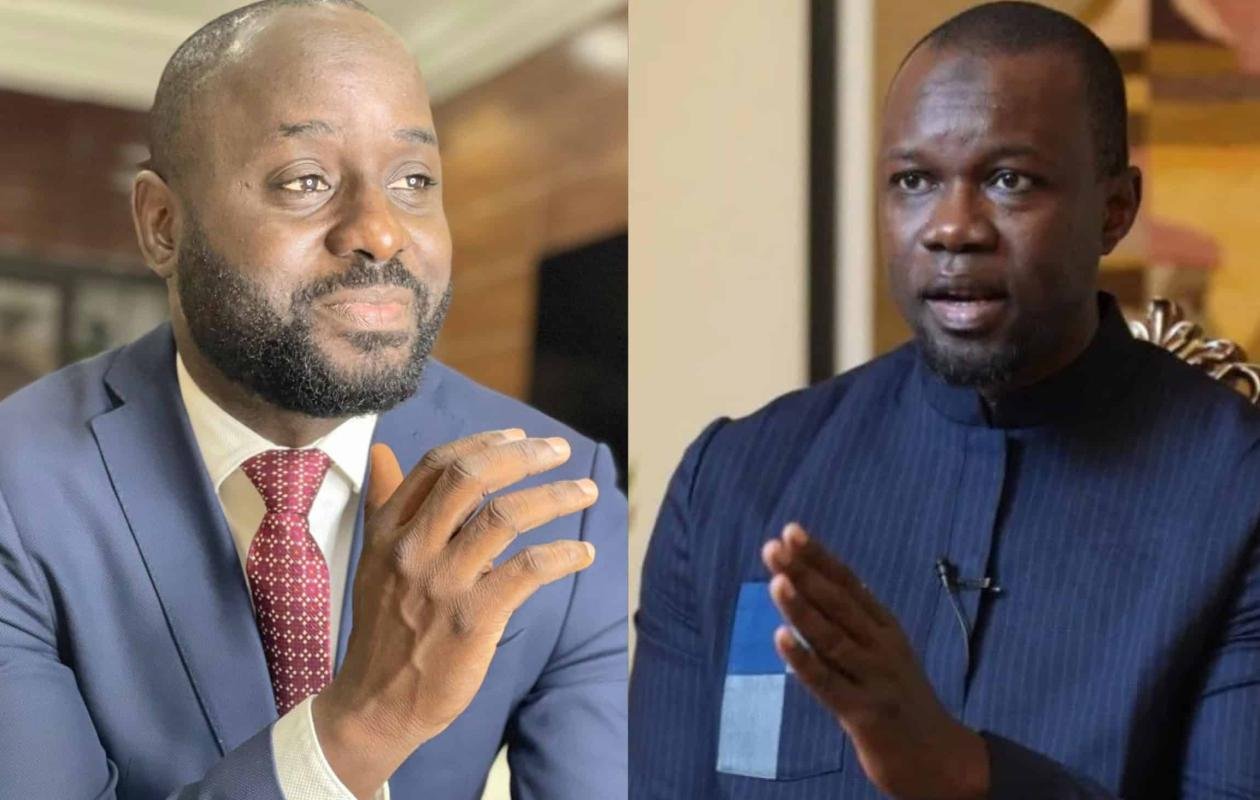



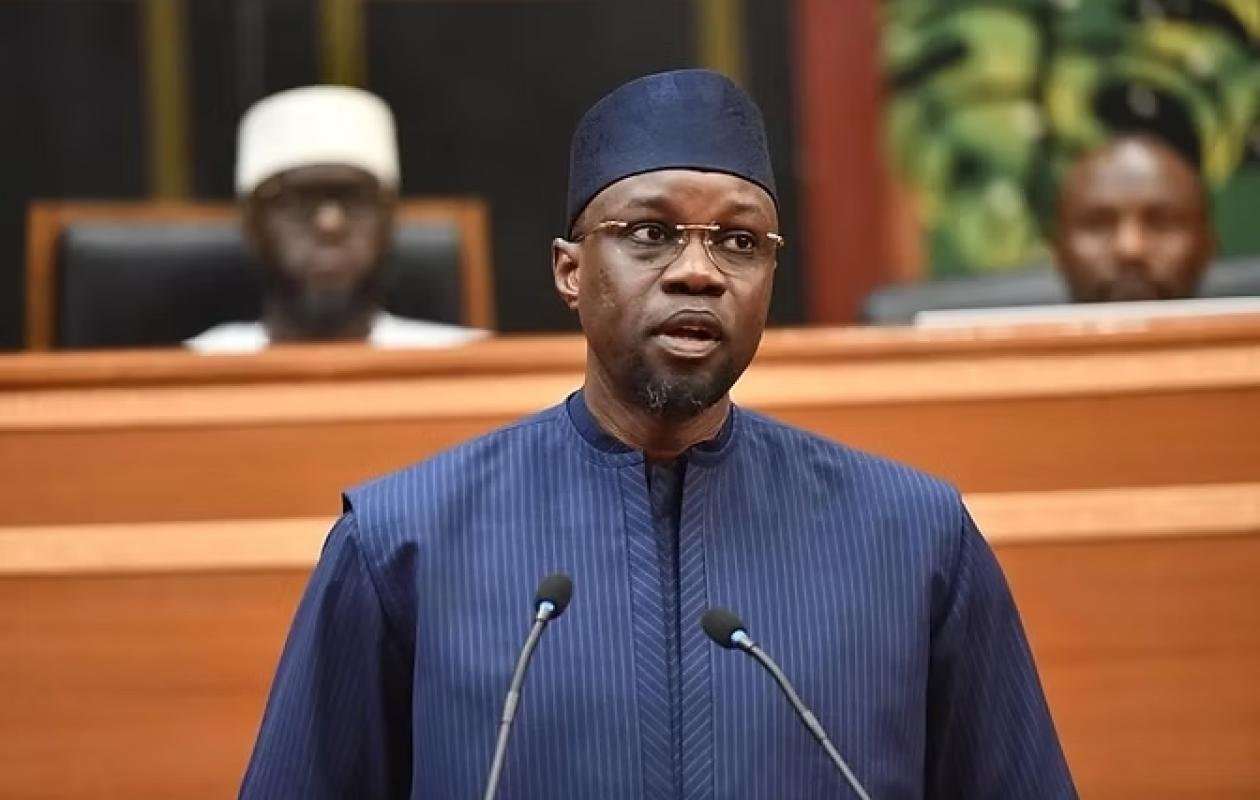
Lawyers for Senegal’s Prime Minister Ousmane Sonko have submitted a 16-page brief to the Supreme Court seeking a review of his conviction in the defamation case involving Mame Mbaye Niang.
A legal strategy based on new evidence
The defense relies on Article 92.4 of the Supreme Court’s organic law, which allows a case to be reopened if new evidence emerges.
They argue that a report from the General Inspectorate of Finance (IGF) constitutes such evidence. According to the legal team, this official document was not presented during the initial trial and could have significantly influenced the court’s decision.
A conviction with major political consequences
In May 2023, the Court of Appeal sentenced Sonko to a six-month suspended prison term and ordered him to pay 200 million CFA francs in damages. The ruling ultimately disqualified him from running in the 2024 presidential election.
The defense now claims that the absence of the IGF report created a “serious doubt” regarding the validity of the conviction.
Amnesty law not a barrier
Lawyers also dismiss the argument that the amnesty law nullifies the appeal. They stress that since Mame Mbaye Niang is still seeking damages, Sonko retains the right to challenge the substance of the ruling to protect both his reputation and assets.
High-stakes legal battle
Beyond the courtroom, this legal move carries significant political implications, potentially reopening one of Senegal’s most high-profile judicial cases in recent years.
SENEWEB